
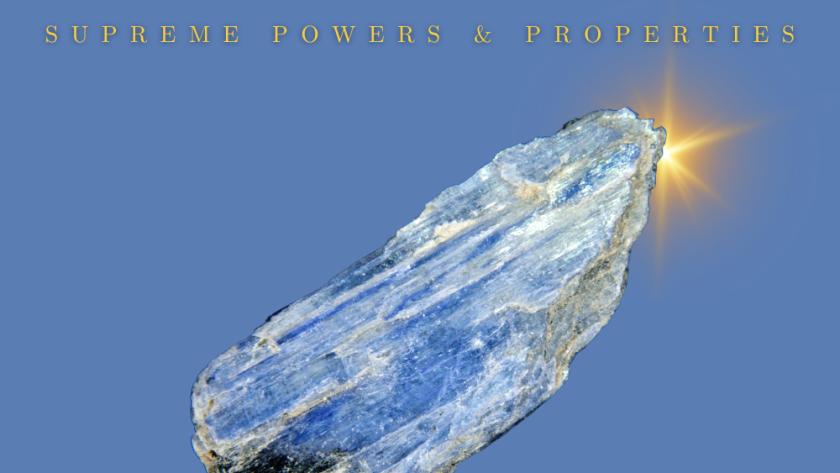
Welcome to our exploration of the gemstones found in New Zealand! While New Zealand may not have the famous precious gems like diamonds or emeralds, it is home to a diverse range of other stunning gemstones.
In this article, we’ll delve into the world of New Zealand gemstones and discover their unique beauty and cultural significance.
Key Takeaways:
- New Zealand is known for its unique gemstones
- Quartz, garnets, and pounamu are the main gemstones found in New Zealand
- Quartz gemstones include purple amethysts and colored agates
- Garnets come in shades of pink, red, and yellow
- Pounamu, also known as New Zealand jade, is highly prized and traditionally used by the Māori people
Quartz – Purple Amethysts and Colored Agates
Quartz is a common gemstone found in New Zealand. This group of gemstones includes beautiful purple amethysts and colored agates in varying shades. These gemstones are highly sought after for their stunning appearance and remarkable durability.
Amethysts, a type of quartz, are known for their rich purple hues that range from light lavender to deep violet. They are often used in jewelry, such as necklaces, rings, and earrings, adding a touch of elegance to any ensemble.
Colored agates, on the other hand, offer a vibrant array of colors. From fiery reds and oranges to soothing blues and greens, these agates are truly a feast for the eyes. They can be cut and polished into various shapes, making them versatile for different jewelry designs.
Apart from their aesthetic appeal, quartz gemstones are known for their durability. With a hardness rating of 7 on the Mohs scale, they are resistant to scratches and can withstand everyday wear and tear.
If you’re looking for gemstones that combine beauty and resilience, New Zealand’s quartz gemstones, including purple amethysts and colored agates, are an excellent choice.
| Gemstone Type | Description |
|---|---|
| Purple Amethysts | Quartz gemstones with lustrous purple hues ranging from light lavender to deep violet. |
| Colored Agates | Quartz gemstones that come in various vibrant colors, including reds, oranges, blues, and greens. |
Garnets – Pink, Red, and Yellow
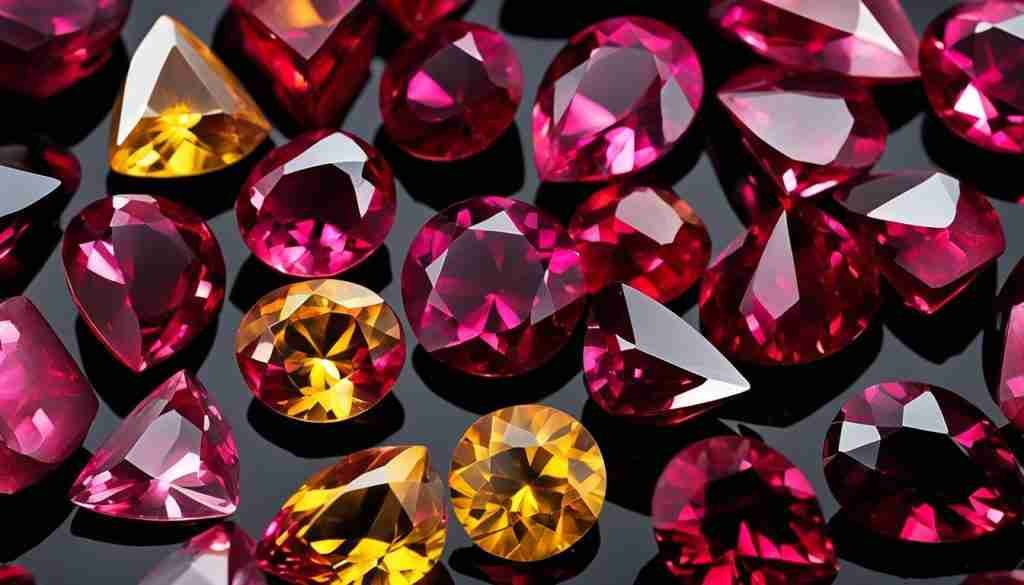
Another gemstone found in New Zealand is garnets. These gemstones come in various shades of pink, red, and yellow. Garnets are often used as accents in jewelry and are known for their vibrant colors.
Garnet Varieties
Garnets found in New Zealand showcase a range of stunning colors, each with its own unique allure. Here are some popular varieties:
- Pink Garnets: These delicate pink gemstones add a soft, feminine touch to any piece of jewelry.
- Red Garnets: The rich, deep red hue of these gemstones evokes passion and elegance.
- Yellow Garnets: With their vibrant yellow tones, these gemstones bring warmth and radiance to any design.
Whether you’re looking for a pop of color or a captivating centerpiece, garnets offer a versatile option for jewelry enthusiasts.
Garnet Durability
Garnets are prized not only for their striking colors but also for their durability. Ranking at 6.5 to 7.5 on the Mohs scale, garnets are suitable for everyday wear and can withstand the test of time.
Their hardness makes them less prone to scratches and abrasions, ensuring that your garnet jewelry remains beautiful for years to come.
Using Garnets in Jewelry
Garnets are a popular choice for jewelry designers, particularly as accents in combination with other gemstones. They can be set in various settings, such as prong, bezel, or pavé, to enhance their beauty and create stunning designs.
Whether used in earrings, necklaces, bracelets, or rings, garnets add a touch of sophistication and vibrancy to any piece.
Garnet Symbolism
Throughout history, garnets have been associated with various meanings and symbolism. They are often regarded as stones of love, passion, and energy, inspiring positive emotions and strengthening relationships.
Additionally, garnets are believed to promote self-confidence, creativity, and vitality, making them a choice gemstone for those seeking to tap into their inner strength.
| Garnet Variety | Color | Properties |
|---|---|---|
| Pink Garnets | Pink | Delicate and feminine |
| Red Garnets | Deep red | Passion and elegance |
| Yellow Garnets | Yellow | Warmth and radiance |
Pounamu – New Zealand Jade
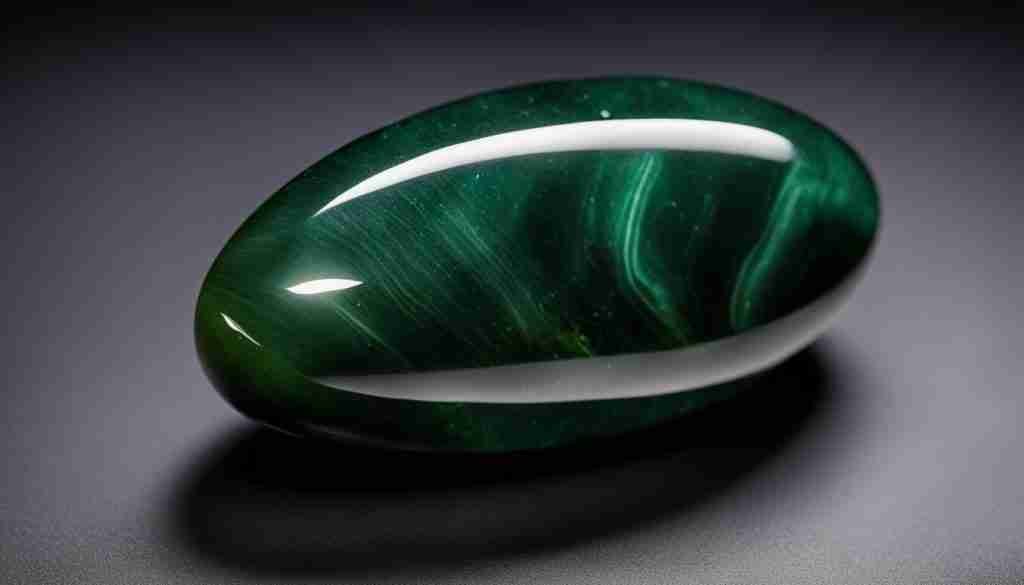
Pounamu, also known as greenstone or New Zealand jade, is a highly prized gemstone in New Zealand. It is traditionally used by the Māori people to make weapons, tools, and ornaments.
Pounamu is found in large boulders on the West Coast of the South Island and is known for its beautiful green color.
Pounamu: A Cultural Treasure
Pounamu holds deep cultural significance for the Māori people, who consider it a precious treasure.
It is believed to hold spiritual and healing properties and is often passed down through generations. The Māori have a strong connection to Pounamu, and it plays an essential role in their traditions and ceremonies.
Uses of Pounamu
Pounamu is a versatile gemstone and is used in various forms by the Māori. It is carved into intricate designs to create beautiful jewelry pieces, including necklaces, bracelets, and earrings.
The Māori also carve Pounamu into traditional weapons, such as mere (short clubs) and mere pounamu (greenstone clubs), which are symbols of strength and protection. Additionally, Pounamu is used to create tools like adzes and chisels for woodworking.
Availability and Mining
Pounamu is primarily sourced from the rivers and streams of the West Coast of the South Island in New Zealand. These gemstones are found in large boulders that have eroded from the mountains over thousands of years.
Pounamu mining requires expertise and respect for the environment, as it is essential to preserve the cultural significance and sustainability of this precious resource.
Pounamu Varieties
Pounamu is available in various types, each with its unique characteristics and cultural significance. Some notable varieties of Pounamu include:
| Type | Description |
|---|---|
| Kawakawa | Dark green with black flecks and streaks |
| Kahurangi | Light translucent green |
| Inanga | White to pale green with grey streaks |
| Kōhatu | Grey-green with distinctive markings |
These diverse varieties of Pounamu offer unique options for jewelry and carving, allowing individuals to connect with the rich cultural heritage of New Zealand.
Next, we’ll explore how gemstones are formed and the best locations in New Zealand to find these precious treasures.
How Gemstones are Formed
Most gemstones in New Zealand are formed through a fascinating natural process. It all begins with mountain rocks that have broken off into large boulders. These boulders then make their way into streams and rivers, slowly traveling towards the sea.
During their journey, the rough boulders are subjected to the forces of nature. They get tumbled and battered by the water, breaking into smaller and smaller pieces.
Over time, these smaller fragments undergo a transformation, gradually turning into the stunning gemstones that eventually wash up onto the beaches of New Zealand.
The process of gemstone formation is a combination of weathering, erosion, and transportation.
The powerful forces of water and movement gradually shape and polish the stones, revealing their inner beauty. It’s a natural journey that takes thousands of years, resulting in the breathtaking gemstones that New Zealand is known for.
Gemstone Formation Process
| Stage | Description |
|---|---|
| 1 | Rocks break off into large boulders |
| 2 | Boulders are carried by streams and rivers |
| 3 | Boulders are broken into smaller fragments |
| 4 | Smaller pieces undergo weathering and erosion |
| 5 | Gemstones wash up onto the beaches |
Where to Find Gemstones in New Zealand

Finding gemstones in New Zealand can be an exciting adventure, but it’s important to know where to look. While the country has no shortage of ordinary grey stones, the real treasures are found in specific locations with unique rock formations.
If you’re ready to embark on the hunt for gemstones, the best places to start are the rivers and beaches renowned for their gemstone bounty.
Rivers
Gemstone hunting in rivers can be a rewarding experience. Over time, the flowing water carries gemstones downstream, creating opportunities for discovery along the river banks.
One of the notable locations for gemstone hunting is Granity on the picturesque West Coast. The Granity Creek and surrounding rivers are known for yielding beautiful gemstones like quartz and garnets.
Be sure to bring your patience and a trusty sieve to sift through the river gravel and uncover these precious gems.
Beaches
Searching for gemstones on the beaches of New Zealand can be a fascinating endeavor. The relentless pounding of waves over countless years has resulted in the deposition of gemstones along the shorelines.
Birdlings Flat near Christchurch is a popular destination for gemstone enthusiasts. Here, you can find a variety of gemstones, including quartz and garnets, along with other treasures like jasper and agates.
The Coromandel Peninsula is another prime beachcombing location, known for its abundant gemstone finds.
As you embark on your gemstone hunting adventures, always remember to respect the environment. Obtain any necessary permits or permissions before searching on private land, and leave no trace of your visit. Happy hunting!
| Location | Gemstones |
|---|---|
| Granity on the West Coast | Quartz, Garnets |
| Birdlings Flat near Christchurch | Quartz, Garnets, Jasper, Agates |
| Coromandel Peninsula | Gemstone variety |
Crystals Found in New Zealand
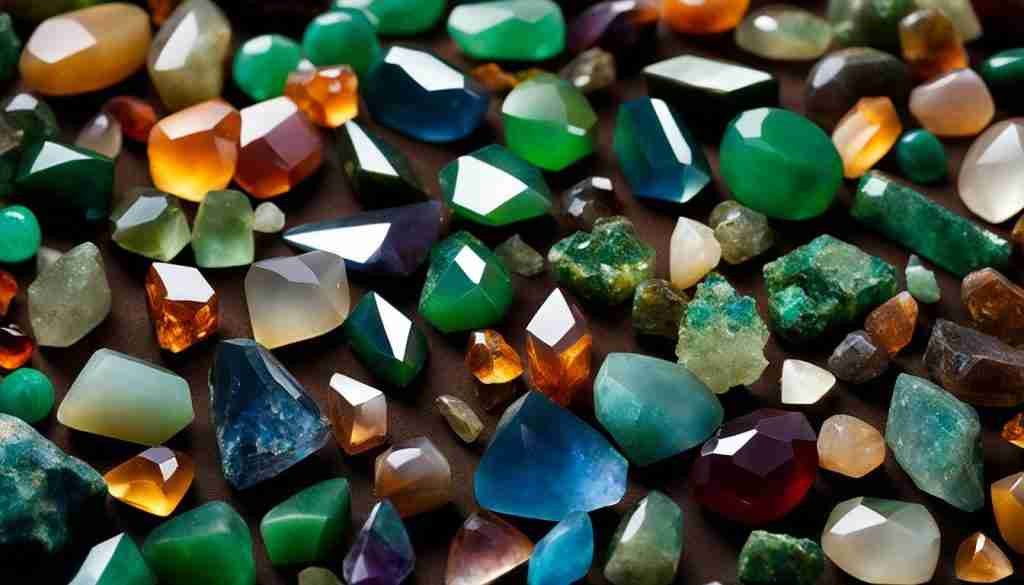
In addition to gemstones, New Zealand is also home to a variety of crystals. These crystals add to the country’s natural beauty and attract collectors and enthusiasts from around the world.
The main crystal types found in New Zealand include quartz (amethysts and agates), jasper, gabbro, obsidian, peridotite, and goodletite. Each crystal has its own unique properties and aesthetic appeal.
Quartz – Amethysts and Agates
Quartz is one of the most abundant crystals found in New Zealand. The country primarily produces amethysts and agates, which are prized for their vibrant colors and intricate patterns.
Amethysts range from pale lilac to deep purple, while agates come in various shades and often feature banded patterns. These crystals are used in jewelry-making, ornamental displays, and spiritual practices.
Jasper
Jasper is another popular crystal found in New Zealand. It comes in a variety of colors and patterns, including red, green, yellow, and brown.
Jasper is valued for its earthy tones and natural patterns, which often resemble landscapes or abstract art. This versatile crystal is commonly used in jewelry, carvings, and other decorative items.
Gabbro
Gabbro is a dark-colored crystal that is widely found throughout New Zealand. It is composed of coarse-grained minerals and is known for its strength and durability.
Gabbro is often used as a building material, but it can also be cut and polished to create stunning countertops, tiles, and decorative objects.
Obsidian
Obsidian is a unique crystal formed from volcanic lava that has cooled rapidly. It is known for its smooth, glassy texture and deep black color. In New Zealand, obsidian is primarily found near volcanic regions, such as the Taupo Volcanic Zone.
This crystal has a long history of use by indigenous cultures for cutting tools, weapons, and ceremonial objects.
Peridotite
Peridotite is a green-colored crystal that is relatively rare in New Zealand. It is often associated with the mantle of the earth and is known for its high content of the mineral olivine.
Peridotite is valued for its unique color and is sometimes used as a gemstone in jewelry. However, its main industrial use is as a source of asbestos-free serpentine rock.
Goodletite
Goodletite is a crystal that is exclusive to New Zealand. It is named after Dr. John Goodlet, a geologist who made significant contributions to the study of New Zealand minerals.
Goodletite is a rare and highly sought-after collector’s item due to its vibrant blue-green color and unique crystal formations.
If you’re interested in exploring the world of crystals in New Zealand, there are various locations where you can find them.
Rivers, beaches, and volcanic regions are great places to start your search. Keep in mind that some crystals may require permission or access from landowners or local authorities to collect.
| Crystal Type | Colors | Uses |
|---|---|---|
| Quartz (Amethysts and Agates) | Purple (amethysts), various colors (agates) | Jewelry, ornamental displays, spiritual practices |
| Jasper | Red, green, yellow, brown | Jewelry, carvings, decorative items |
| Gabbro | Dark-colored | Building material, countertops, tiles, decorative objects |
| Obsidian | Black | Cutting tools, weapons, ceremonial objects |
| Peridotite | Green | Gemstone (in jewelry), source of asbestos-free serpentine rock |
| Goodletite | Blue-green | Collector’s item |
Exploring the crystal formations found in New Zealand is a fascinating experience that allows you to connect with the country’s geological wonders.
Whether you’re a collector, a jewelry enthusiast, or simply appreciate the natural beauty of crystals, New Zealand offers a diverse range of options to satisfy your curiosity.
Remember to respect the environment and any cultural associations with the crystals you encounter during your exploration.
Mineral Map of New Zealand
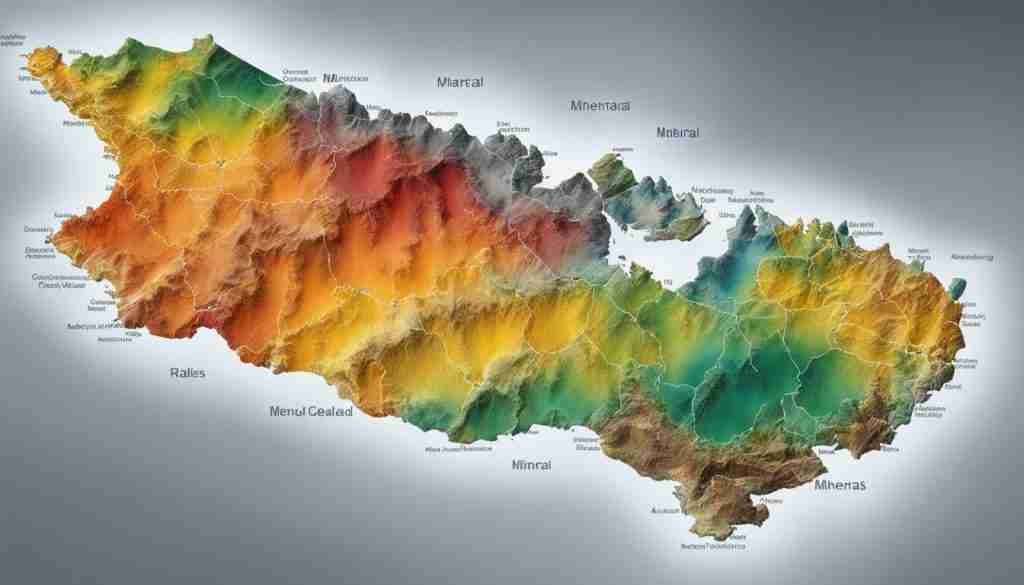
New Zealand is rich in minerals, both onshore and offshore. These minerals play a crucial role in the country’s economy and provide valuable resources for various industries.
The Geological and Nuclear Sciences (GNS) has compiled a comprehensive database of these minerals, offering valuable information on their locations and characteristics. Let’s explore some of the minerals found in New Zealand:
- Coal
- Gold
- Silver
- Limestone
- Pumice
- Salt
- Zeolite
- Bentonite
Take a look at the mineral map below to see the distribution of these minerals throughout New Zealand:
| Mineral | Location |
|---|---|
| Coal | North and South Island |
| Gold | South Island (Otago, West Coast) and Coromandel Peninsula |
| Silver | South Island (Otago, West Coast) and Coromandel Peninsula |
| Limestone | North Island (Northland, Waikato) |
| Pumice | North Island (Central Plateau) |
| Salt | South Island (Marlborough) |
| Zeolite | North Island (Bay of Plenty) |
| Bentonite | South Island (Canterbury) |
As you can see, New Zealand has a diverse range of minerals spread across different regions.
These minerals contribute to various sectors, such as energy production, construction, manufacturing, and agriculture.
The exploration and sustainable management of these mineral resources are essential for the continued growth and development of the country.
Mātauranga Māori and Gemstones
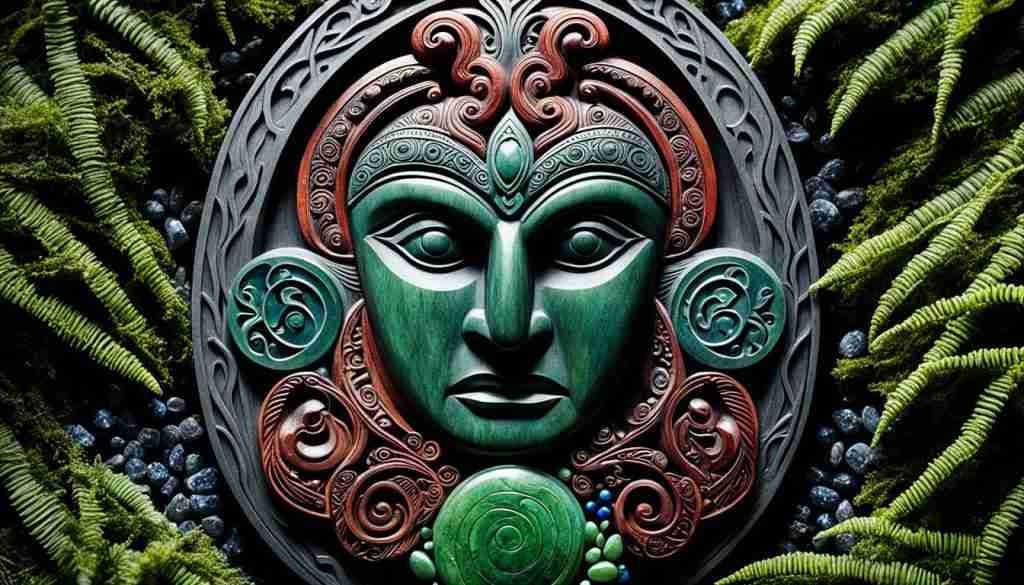
Māori culture holds a deep and profound understanding of gemstones, with a special emphasis on pounamu.
Pounamu, also known as New Zealand jade or greenstone, is considered a precious treasure by the Māori people. It holds significant cultural and spiritual importance and is traditionally managed and protected by the Ngāi Tahu tribe.
For the Māori, gemstones, including pounamu, are not merely beautiful objects but bearers of unique stories and genealogical connections.
Each gemstone is believed to possess its own narrative and connects the wearer to the ancestral heritage and natural world.
This intimate relationship with gemstones reflects the close bond between the Māori people and their land, emphasizing the profound connection between culture, nature, and spirituality.
While pounamu holds a special place in Māori culture, the understanding and respect for other gemstones within the community are also rich.
Deep-rooted cultural practices and knowledge passed down through generations contribute to the meaningful connection between the Māori, gemstones, and the land they are found in.
Through Mātauranga Māori, the unique wisdom and understanding of the Māori people, gemstones become living symbols of heritage, spirituality, and cultural identity.
Explore the Interactive Minerals Map
If you’re interested in learning more about the minerals found in New Zealand, you can explore the interactive minerals map provided by GNS Science. The map provides detailed information about the various minerals and their locations in the country.
| Mineral | Location |
|---|---|
| Coal | North Island and South Island |
| Gold | Otago, West Coast, Coromandel |
| Silver | Coromandel |
| Limestone | North Island and South Island |
| Pumice | Central Plateau, North Island |
| Salt | South Island |
| Zeolite | North Island |
| Bentonite | North Island and South Island |
By using the interactive map, you can easily navigate through different regions of New Zealand to discover the abundance of minerals present.
Whether you’re interested in coal, gold, silver, limestone, pumice, salt, zeolite, or bentonite, this map provides a comprehensive guide to their locations within the country.
Understanding the distribution of minerals across New Zealand can offer valuable insights into the nation’s geological diversity and resource potential.
So, if you’re fascinated by the intriguing world of minerals and want to explore the vast mineral wealth of New Zealand, be sure to check out the interactive minerals map.
It’s a captivating way to gain a deeper understanding of the minerals found in this beautiful country.
Conclusion
New Zealand may not have the traditional precious gems like diamonds or emeralds, but it is a treasure trove of unique and beautiful gemstones.
From the exquisite purple amethysts and colored agates in the quartz family to the vibrant shades of pink, red, and yellow garnets, there’s a gem for every taste. And let’s not forget about the highly prized pounamu, also known as New Zealand jade, with its mesmerizing green hue.
If you have a passion for gemstones and want to explore the wonders of New Zealand, look no further than its rivers and beaches. These are the best places to start your gemstone mining adventure.
Keep in mind that while finding gemstones can be exciting, it’s important to always respect the land and the cultural heritage associated with these precious gems.
In addition to their beauty, these gemstones hold cultural significance, especially pounamu, which is deeply rooted in Māori culture.
Along with its natural beauty, New Zealand offers a rich heritage and connection to the gemstones that have been cherished for generations.
FAQ
What are some gemstones found in New Zealand?
The main gemstones found in New Zealand include quartz, garnets, and pounamu (New Zealand jade).
What types of quartz gemstones can be found in New Zealand?
In New Zealand, you can find purple amethysts and agates in various colors.
What are the colors of garnets found in New Zealand?
Garnets in New Zealand come in various shades of pink, red, and yellow.
What is pounamu?
Pounamu, also known as greenstone or New Zealand jade, is a highly prized gemstone in New Zealand with a beautiful green color.
How are gemstones formed in New Zealand?
Gemstones in New Zealand are formed when mountain rocks break off into boulders, which then travel through streams and rivers, eventually washing up onto beaches.
Where can I find gemstones in New Zealand?
The best places to search for gemstones in New Zealand are rivers and beaches, such as Granity on the West Coast, Birdlings Flat near Christchurch, and the Coromandel Peninsula.
What types of crystals can be found in New Zealand?
The main crystal types found in New Zealand include quartz (amethysts and agates), jasper, gabbro, obsidian, peridotite, and goodletite.
Is there a minerals map of New Zealand available?
Yes, you can explore the interactive minerals map provided by GNS Science to learn more about the various minerals and their locations in New Zealand.
How is gemstone knowledge connected to Māori culture?
Gemstones, particularly pounamu, hold special cultural significance for the Māori people in New Zealand, and their knowledge and understanding of gemstones is deeply rooted in their culture and traditions.
How can I access the interactive minerals map of New Zealand?
To access the interactive minerals map of New Zealand, you can visit the website of GNS Science and navigate to their mineral resources section.
