
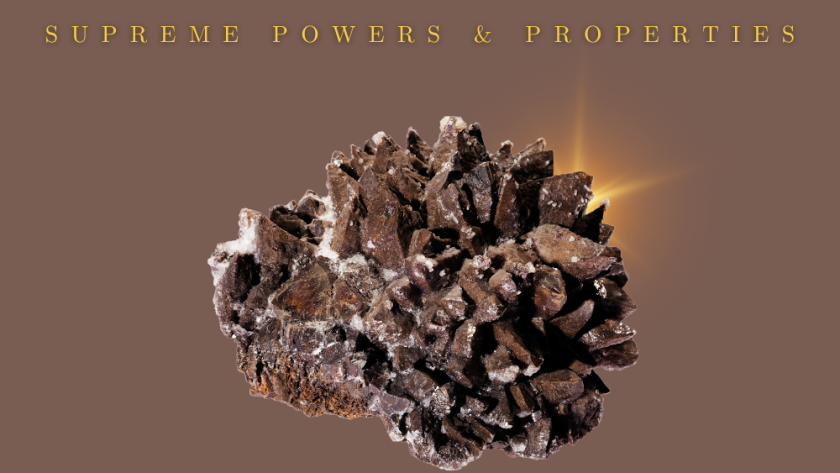
- Emerald: The Rare and Sought-After Gemstone from Portugal
- Aquamarine: The Tranquil Gem with Portuguese Origins
- Quartz: The Common but Beautiful Gemstone of Portugal
- Pedras Parideiras: The Mysterious “Birthing Stones” of Portugal
- The Geological Marvels of Arouca Geopark in Portugal
- The Formation of Pedras Parideiras: Geological Mysteries Unveiled
- Rareness and Rarity: The Uniqueness of Pedras Parideiras
- The Power of Pedras Parideiras: Legends and Local Beliefs
- The Geological Wonder of Freita Mountain: A Spectacular View
- Preserve and Protect: The Conservation Efforts for Pedras Parideiras
- Conclusion
Are you fascinated by the allure of gemstones? Portugal is a country rich in natural resources, and its gemstone mines are no exception.
From the breathtaking emeralds to the tranquil aquamarines, Portugal boasts a diverse range of gemstones that have captivated people for centuries.
Throughout the different regions of Portugal, gemstone mines can be found, each offering its own unique treasures waiting to be discovered.
These natural gemstones from Portugal are not only beautiful but also carry a rich history that dates back hundreds of years.
Key Takeaways:
- Portugal is home to a wide variety of gemstones found in different regions of the country.
- Gemstone mines in Portugal offer a unique opportunity for exploration and discovery.
- Portuguese gemstones, like emeralds and aquamarines, are highly sought after in the gemstone market.
- These natural gems from Portugal carry a rich history and add a touch of allure to any jewelry collection.
- Exploring the beauty and history of Portuguese gemstones is an enriching experience for gemstone enthusiasts and curious travelers alike.
Emerald: The Rare and Sought-After Gemstone from Portugal
Emerald, a variant of beryl, is one of the most famous and highly coveted gemstones found in Portugal. Renowned for its captivating green color, emeralds possess a distinct beauty that appeals to gemstone enthusiasts and collectors worldwide.
Portugal’s rich emerald deposits are predominantly located in the northern region of the country. These precious gemstones are exceptionally rare, making them even more valuable and desirable in the gemstone market.
Emeralds are treasured for their vibrant green hue, which ranges from deep and intense to light and refreshing shades. The mesmerizing color is a result of trace amounts of chromium and vanadium impurities present in the beryl crystal structure.
The allure of emeralds lies not only in their color but also in their symbolism and historical significance.
Throughout history, emeralds have been associated with luxury, royalty, and love. They have adorned the crowns of kings and queens, symbolizing wealth, power, and prosperity.
Today, emeralds continue to be prized for their beauty and elegance. They are often used in high-end jewelry and are a popular choice for engagement rings, showcasing the wearer’s refined taste and appreciation for exceptional gemstones.
Portuguese emeralds are known for their exceptional quality, with some displaying remarkable clarity and size. The country’s gemstone mines carefully extract these precious gems, ensuring their preservation and sustainability for generations to come.
Experience the allure and rarity of Portuguese emeralds, a true gemstone treasure from the stunning landscapes of Portugal.
Aquamarine: The Tranquil Gem with Portuguese Origins
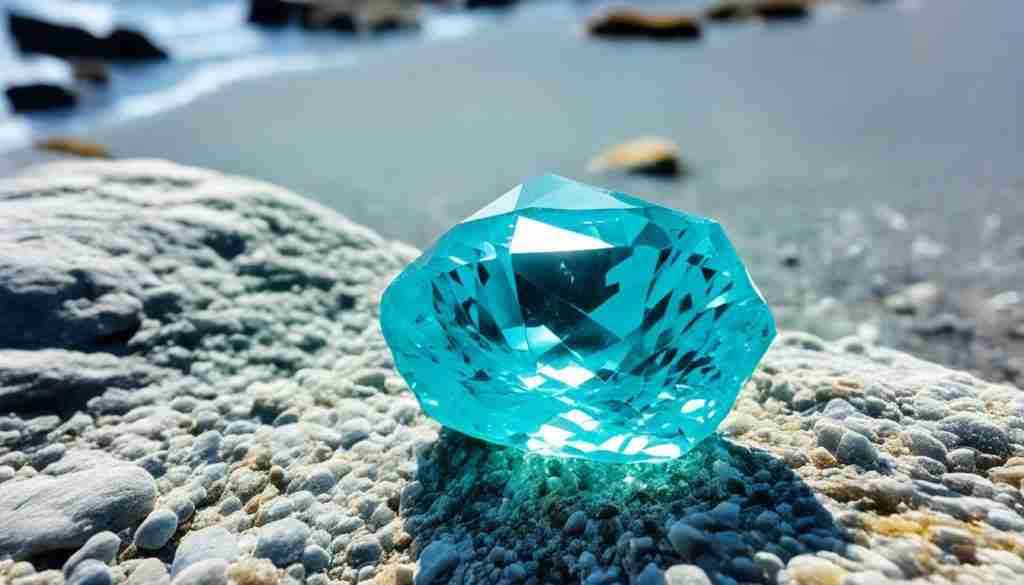
Aquamarine, a variant of beryl, is a popular gemstone found abundantly in Portugal. Known for its serene blue color, reminiscent of the sea, aquamarine captivates gemstone enthusiasts with its gentle hue and tranquil appeal.
Unlike its cousin, emerald, aquamarine is relatively more common in Portugal, making it easily accessible to gemstone lovers.
Primarily found in the regions between Viseu and Guarda, aquamarine has a longstanding association with water, evoking a sense of peace and tranquility.
Its captivating blue shades range from pale blue to deep blue-green, capturing the essence of the ocean’s depths.
The Portuguese origins of aquamarine add to its allure and historical significance. As one of the gemstones found in Portugal, aquamarine embodies the country’s rich heritage in gemstone mining and exploration.
Let’s explore the beauty and unique properties of this breathtaking gemstone found in Portugal.
Brazilian Aquamarine vs. Portuguese Aquamarine
| Feature | Brazilian Aquamarine | Portuguese Aquamarine |
|---|---|---|
| Color | Light blue | Deep blue-green |
| Clarity | Transparent | Transparent |
| Origin | Brazil | Portugal |
| Rarity | Relatively common | Relatively common |
| Availability | Widely available | Abundant in Portugal |
While both Brazilian and Portuguese aquamarines exhibit remarkable beauty and clarity, Portuguese aquamarines tend to have a deeper blue-green color, reflecting the gem’s connection to the Atlantic Ocean’s coast.
Due to its abundance and availability in Portugal, aquamarine has become a favorite gemstone for jewelry designers, who harness its tranquil beauty to create stunning pieces that capture the essence of the sea.
Whether set in elegant necklaces, earrings, or rings, aquamarine jewelry serves as a reminder of the serenity and captivating charm found in the Portuguese gemstone mines.
Quartz: The Common but Beautiful Gemstone of Portugal
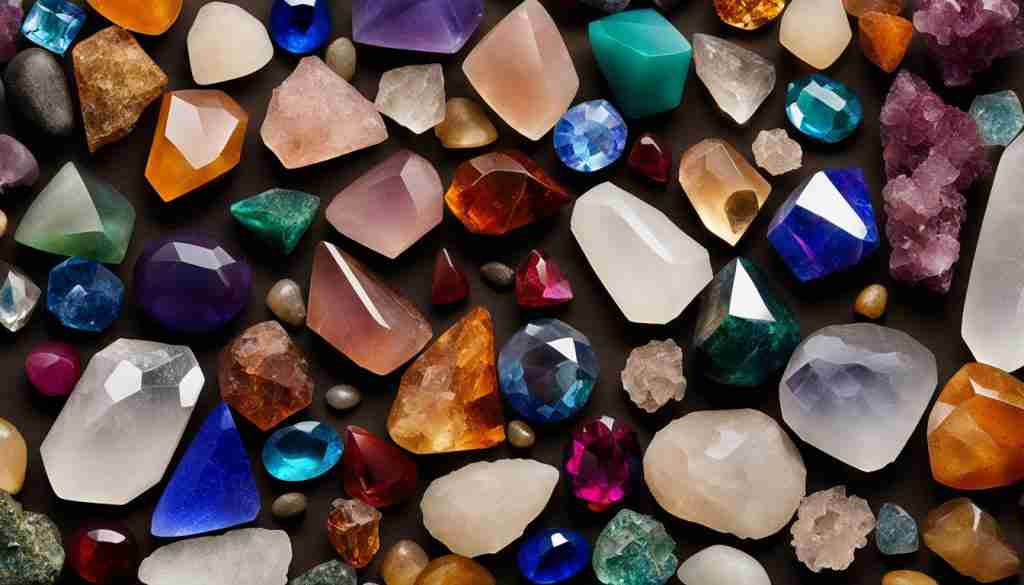
Quartz, a gemstone abundant in Portugal, is highly appreciated for its exquisite beauty. Available in various captivating colors and capable of forming stunning crystals, quartz is a gemstone that never fails to impress.
While the normal quartz can be found throughout Portugal, there are rarer variants like rose quartz and smoky quartz that are predominantly found in northern Portugal and the regions between Viseu and Guarda.
Quartz, known for its crystalline structure, adds a touch of elegance and charm to any piece of jewelry it adorns. Whether it’s a delicate pendant or a statement ring, quartz gemstones have the power to enhance your style and captivate attention.
The versatility of quartz, both in terms of color and its ability to form unique crystal structures, makes it a popular choice among gemstone enthusiasts.
The Beauty of Quartz Crystals
One of the most fascinating aspects of quartz is its ability to form crystals with stunning geometric patterns. These crystals come in various shapes, such as hexagonal prisms or double-terminated points, showcasing the beauty of nature’s craftsmanship.
Their clarity and luster make quartz crystals a sought-after gemstone for collectors and crystal enthusiasts.
Quartz crystals are not only visually appealing but also believed to possess metaphysical properties. Many people use quartz crystals for spiritual healing and meditation, harnessing their energy to promote balance, clarity, and positive intentions.
The Healing Power of Quartz
Quartz has long been associated with healing and positive energy. Some believe that quartz crystals can help cleanse and purify the mind, body, and spirit.
They are said to amplify positive energies and dispel negative energies, promoting overall well-being and inner peace.
Additionally, quartz crystals are often used in various alternative healing practices, such as crystal therapy and Reiki. Their unique properties and ability to store and transmit energy make them a valuable tool for practitioners and individuals seeking holistic healing.
Quartz Jewelry: A Timeless Beauty
Due to its abundance and versatility, quartz is widely used in jewelry making. From delicate earrings to intricately designed bracelets, quartz gemstones are crafted into pieces that exude sophistication and charm.
The wide range of colors, including clear quartz, amethyst, citrine, and more, offers endless possibilities for creating stunning jewelry that complements any style or occasion.
Whether you’re looking for a statement piece or a subtle accent, quartz jewelry is a timeless choice that will never go out of style. Its natural beauty, combined with its affordability, makes it an accessible gemstone for all jewelry lovers.
| Advantages of Quartz Gemstones | Disadvantages of Quartz Gemstones |
|---|---|
| Wide variety of colors | Prone to scratching |
| Beautiful crystal formations | May lose color over time |
| Affordable pricing | May require special care and cleaning |
| Versatile for jewelry design | Not as rare or valuable as some gemstones |
Despite its common occurrence, quartz remains a gemstone of exceptional beauty and versatility. Its unique characteristics and accessibility make it a beloved gemstone among jewelry enthusiasts and collectors alike.
Whether you’re drawn to its mesmerizing crystal formations or its metaphysical properties, quartz is a gemstone that continues to capture hearts and adorn jewelry pieces with its radiant allure.
Pedras Parideiras: The Mysterious “Birthing Stones” of Portugal
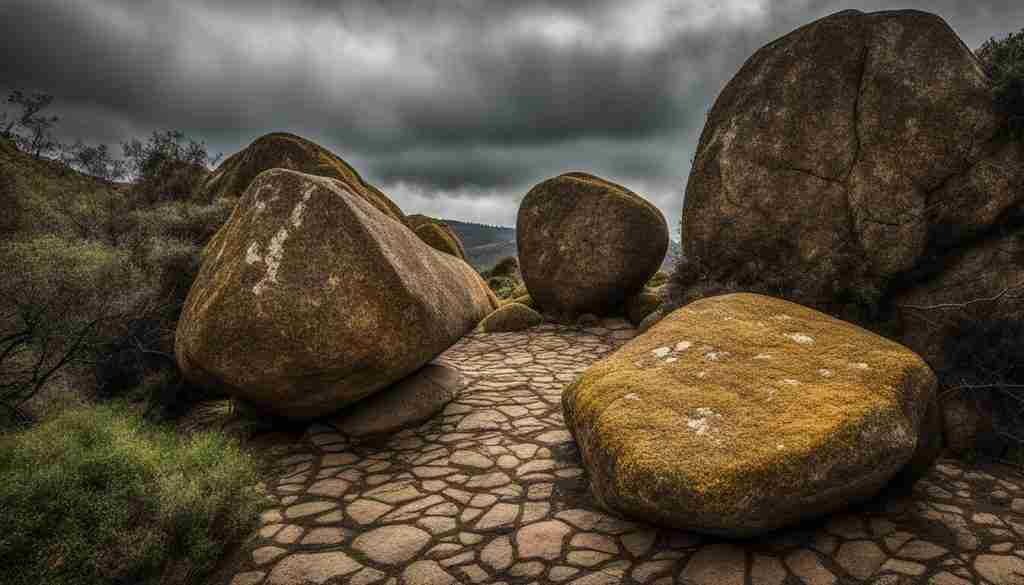
In northern Portugal, a geological phenomenon known as Pedras Parideiras, or “Birthing Stones” in English, has puzzled scientists for years. These 300-million-year-old rocks seem to give birth to smaller stones, creating a truly unique natural wonder.
Located in the Arouca Unesco Global Geopark, the Pedras Parideiras continue to fascinate visitors with their enigmatic formation.
The Pedras Parideiras, with their mysterious ability to “birth” smaller stones, have captured the curiosity of researchers and tourists alike. These ancient rocks are estimated to be around 300 million years old, adding to their intrigue and geological significance.
The geological wonder of Pedras Parideiras can be witnessed in the Arouca Unesco Global Geopark. This vast park is renowned for its geological diversity and is home to numerous fascinating natural phenomena, including the Pedras Parideiras.
The Formation of Pedras Parideiras
The formation process of Pedras Parideiras is still a subject of scientific debate and exploration.
Geologists hypothesize that the phenomenon is linked to the interaction between molten magma and the surrounding rocks, coupled with tectonic movements that occurred millions of years ago during the rock’s formation.
The granite mother rocks of Pedras Parideiras contain distinct hollow spaces, seemingly acting as a cradle for the birth of smaller stones.
This unique phenomenon has sparked various theories and studies, aiming to unravel the mesmerizing mystery behind Pedras Parideiras.
The Enigmatic Beauty and Cultural Significance
The Pedras Parideiras are not only a geological marvel but also hold cultural significance in Portugal. Local folklore surrounding these mysterious stones often associates them with fertility and birth.
It is believed that keeping a Pedra Parideira close can enhance fertility and aid in the conception process, adding a touch of mysticism and enchantment to their allure.
Visitors to the Arouca Unesco Global Geopark can explore the Pedras Parideiras up close, witnessing their enigmatic beauty firsthand. As you stand among these ancient rocks, you’ll be surrounded by a sense of wonder and reverence for the power of nature.
| Key Features | Visitor Information |
|---|---|
| Ancient rocks giving birth to smaller stones | Location: Arouca Unesco Global Geopark, northern Portugal |
| Mysterious geological phenomenon | Access: Well-marked trails within the geopark |
| Cultural significance associated with fertility | Guided tours available for an in-depth experience |
| Fascinating subject of scientific research | Discover the geological wonders of Arouca Geopark |
The Geological Marvels of Arouca Geopark in Portugal
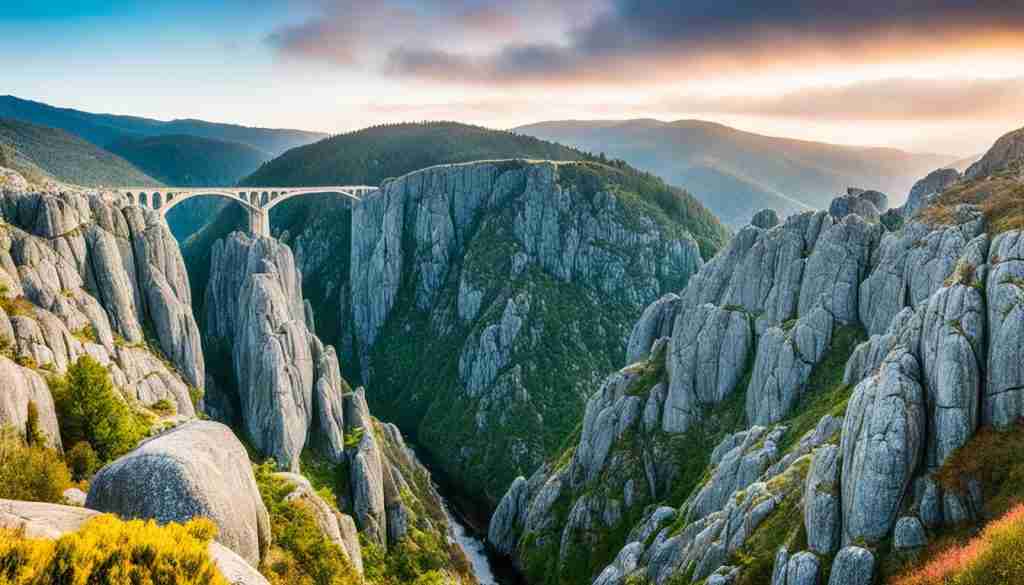
The Arouca Geopark in Portugal is a treasure trove of geological marvels. With 41 separate geosites, including giant trilobite fossils and stunning rock formations shaped by water, the geopark attracts scientists and nature enthusiasts alike.
It offers a unique opportunity to explore the natural wonders and understand the geological history of the region.
One of the highlights of the Arouca Geopark is the breathtaking beauty of its rock formations.
From towering cliffs to intricate caves, the geological wonders of the park showcase millions of years of Earth’s history. The erosive power of water has sculpted these stunning formations, creating landscapes that leave visitors in awe.
One of the most famous attractions within the geopark is the Paiva Walkways. This 8-kilometer wooden walkway winds through the stunning Paiva River Gorge, offering breathtaking views of the surrounding rock formations.
The crystal-clear waters of the Paiva River flow through the canyon, adding to the scenic beauty of the area.
Another geological wonder in the Arouca Geopark is the Castanheira Waterfall, also known as the Frecha da Mizarela. Cascading down from a height of 75 meters, this majestic waterfall is a testament to the power of nature.
The combination of lush greenery, towering cliffs, and the roaring sound of cascading water creates a mesmerizing sight.
For those interested in fossils, the Arouca Geopark is a paradise. Trilobite fossils, dating back millions of years, can be found in several locations within the geopark.
These ancient creatures provide valuable insights into the Earth’s distant past and offer a fascinating glimpse into the evolution of life.
Geological Marvels in Arouca Geopark
| Geosite | Description |
|---|---|
| Paiva Walkways | A wooden walkway offering stunning views of the Paiva River Gorge and surrounding rock formations. |
| Castanheira Waterfall | A 75-meter-high waterfall surrounded by lush greenery and towering cliffs. |
| Trilobite Fossil Sites | Locations where trilobite fossils can be found, providing insights into Earth’s ancient history. |
The Formation of Pedras Parideiras: Geological Mysteries Unveiled
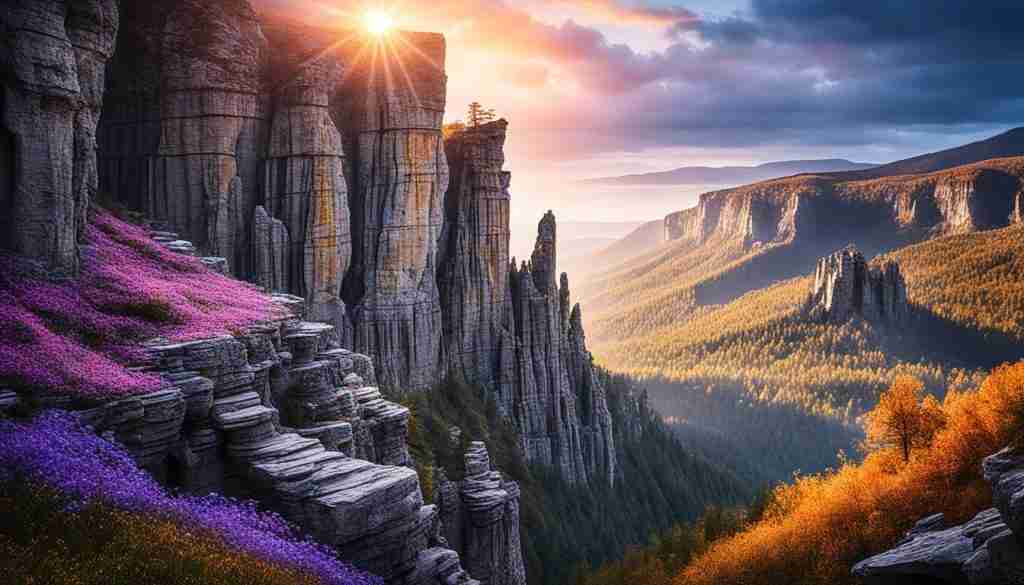
The formation of Pedras Parideiras, also known as “Birthing Stones,” is a captivating geological phenomenon that continues to intrigue scientists.
Located in the Arouca UNESCO Global Geopark in northern Portugal, these ancient rocks have been the subject of intense study and speculation.
Geologists hypothesize that the formation of Pedras Parideiras is the result of a complex interplay between magma, tectonic movements, and the unique composition of the rocks themselves.
Over 300 million years ago, during the Paleozoic era, magma intrusions and subsequent cooling gave rise to the granite mother rocks that we see today.
It is believed that the shrinking and expansion caused by tectonic activity, combined with the mineral-rich fluids within the rocks, led to the extraordinary formation of smaller stones within the granite mother rocks.
These smaller stones, resembling biconvex discs, are then exposed through natural weathering processes.
The exact mechanisms and triggers that cause the “birthing” of these stones remain a mystery. Scientists continue to explore various geological theories and conduct research to gain further insights into this enigmatic formation.
The image above showcases the Pedras Parideiras formation, where the larger granite mother rocks appear to “give birth” to smaller stones.
This unique phenomenon has made Pedras Parideiras a popular destination for visitors who marvel at the wonders of nature.
While the scientific community, granite enthusiasts, and curious travelers eagerly await further discoveries and explanations, the Pedras Parideiras formation remains an intriguing geological mystery, adding to the allure and allure of Portugal’s natural wonders.
Rareness and Rarity: The Uniqueness of Pedras Parideiras
The Pedras Parideiras are truly unique and rare, making them a captivating geological phenomenon in Portugal.
While orbicular granite can be found in a few countries, it is only in the Arouca Geopark where these rocks give birth to the distinctive biconvex-shaped discs.
The rarity of this natural wonder adds to its mystique and allure, making it a must-see for visitors and geology enthusiasts.
| Characteristics of Pedras Parideiras | Comparison to Other Geological Wonders |
|---|---|
| Peculiar biconvex-shaped discs | Distinctive feature not found in other granite formations |
| 300 million years old | Ancient rock formation with a rich geological history |
| Exclusive to the Arouca Geopark | Can only be experienced in this specific location |
| Arouses scientific curiosity and research | Ongoing studies to unravel the mysteries behind their formation |
Visiting the Pedras Parideiras in the Arouca Geopark allows you to witness a geological marvel that is truly one-of-a-kind. The natural uniqueness of these stones offers a rare opportunity for exploration and appreciation of the Earth’s fascinating history.
Importance of Preservation
Preservation plays a crucial role in ensuring the continuity of this rare geological phenomenon. The conservation efforts in the Arouca Geopark aim to protect the Pedras Parideiras and their surrounding environment.
By preserving this natural wonder, future generations will have the opportunity to marvel at the uniqueness and understand the geological processes that shaped these remarkable rocks.
Continue reading to discover the intriguing legends and local beliefs surrounding the Pedras Parideiras.
The Power of Pedras Parideiras: Legends and Local Beliefs

The Pedras Parideiras, also known as “Birthing Stones,” hold a special place in local folklore and beliefs in Portugal.
According to legends passed down through generations, these stones possess mystical fertility powers. It is believed that placing a Pedra Parideira under your pillow can help with conception and promote fertility.
While there is no scientific evidence to support these claims, the tales of the Pedras Parideiras continue to captivate the imagination of locals and tourists alike. These stones have become a symbol of hope and excitement for couples looking to start a family.
Visitors to the Pedras Parideiras in the Arouca Geopark can immerse themselves in the legends and local beliefs surrounding these extraordinary rocks. Whether you believe in their supernatural abilities or not, the allure and mystery of the Pedras Parideiras are undeniable.
The Geological Wonder of Freita Mountain: A Spectacular View
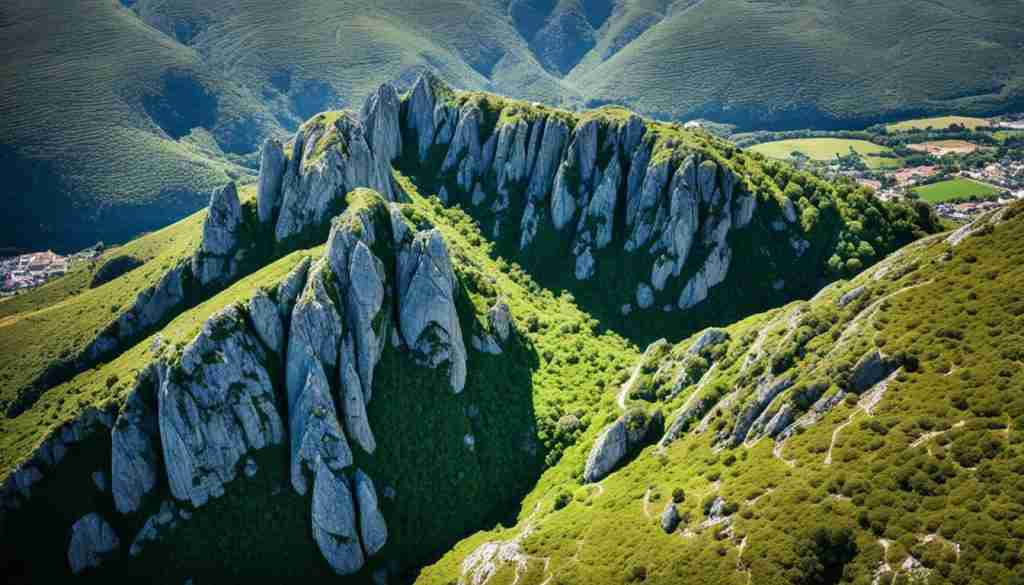
Freita Mountain, located within the Arouca Geopark, offers a breathtaking view of the Pedras Parideiras and the surrounding landscape.
From the wooden walkways atop the mountain, visitors can witness the vast expanse of the birthing stones and marvel at their unique formation. The mist often adds an extra touch of mysticism to the experience.
As you stand on Freita Mountain, the magnificence of the Pedras Parideiras unfolds before your eyes. The birthing stones stretch out as far as the eye can see, forming an awe-inspiring geological wonder.
The wooden walkways provide a vantage point, allowing you to take in the grandeur of this natural phenomenon.
From this elevated perspective, you can appreciate the intricate details of the granite mother rocks and the smaller stones being “birthed” from them.
It’s a sight that is both mesmerizing and humbling, showcasing the power of nature and the fascinating processes that led to the formation of these unique rocks.
The mist that often blankets Freita Mountain adds an ethereal ambiance to the scene. As it dances among the Pedras Parideiras, it creates an atmosphere of enchantment.
The combination of mist, mountains, and the mystique of the birthing stones creates a truly unforgettable experience.
Whether you’re a geology enthusiast, a nature lover, or simply seeking a unique adventure, a visit to Freita Mountain is a must.
Immerse yourself in the geological wonders of Portugal and witness firsthand the captivating beauty of the Pedras Parideiras. It’s a view that will leave you in awe and with a deep appreciation for the natural wonders of our world.
Preserve and Protect: The Conservation Efforts for Pedras Parideiras
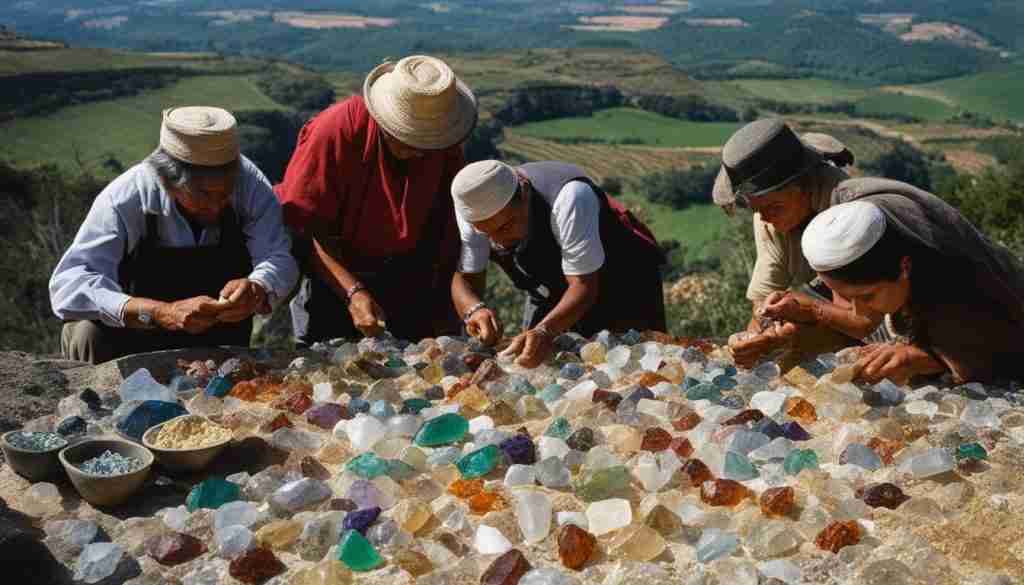
The Pedras Parideiras, these remarkable “Birthing Stones” of Portugal, are not only a geological wonder but also a precious natural heritage that requires preservation and protection.
Situated within the Arouca Geopark, conservation efforts are in place to ensure their safeguarding and maintenance for scientific research and public enjoyment.
To protect the Pedras Parideiras, it is prohibited to collect or remove any stones from this rare geological phenomenon. These rocks play a crucial role in studying the geological origins and processes that led to their formation over 300 million years ago.
The ongoing conservation efforts focus on preserving the integrity of the Pedras Parideiras and promoting the understanding of their unique geological wonders.
This involves strict monitoring, educational programs, and sustainable tourism practices to maintain the delicate balance between scientific research and public access.
Scientific Research and Understanding
Preserving the Pedras Parideiras is essential for scientific research and geological studies. These rocks provide valuable insights into the geological processes and conditions that existed during their formation.
By preserving this natural wonder, scientists can continue their research and unravel further mysteries of our planet’s history.
Geologists study the Pedras Parideiras to understand the geological forces that shaped the rocks and the interaction between magma and the surrounding environment.
The preservation of these stones ensures that future generations of scientists can delve deeper into the complexities of our planet’s past and contribute to the advancement of geological knowledge.
Safeguarding Geological Wonders
The conservation efforts extend beyond scientific research. By protecting the Pedras Parideiras, we also safeguard the rare geological wonders of Portugal.
These stones are a testament to the incredible forces that have shaped our planet over millions of years, and their preservation ensures that future generations can witness and appreciate their beauty and significance.
The Arouca Geopark takes an active role in promoting sustainable tourism practices, allowing visitors to experience the Pedras Parideiras while minimizing their impact on the delicate rock formations and surrounding biodiversity.
This balance ensures the preservation of Pedras Parideiras for both current and future generations to enjoy.
Through conservation efforts, we can ensure that the Pedras Parideiras remain a symbol of the geological marvels found in Portugal and a testament to the Earth’s rich history.
| Pedras Parideiras Conservation Efforts: | Benefits: |
|---|---|
| Prohibition of stone collection and removal | Preserves the integrity of the geological phenomenon |
| Strict monitoring and enforcement | Ensures compliance with conservation guidelines |
| Educational programs | Raises awareness about the significance of Pedras Parideiras |
| Sustainable tourism practices | Allows visitors to experience the wonders without causing harm |
| Promotion of scientific research | Contributes to the understanding of geological processes |
Conclusion
Portugal is a true gemstone paradise, boasting a wide variety of gemstones and stunning geological wonders. The allure of Portuguese gemstones, such as emeralds and aquamarines, captivates both gemstone enthusiasts and curious travelers alike.
Additionally, the fascinating formation of Pedras Parideiras, the “Birthing Stones,” offers a unique and enigmatic natural wonder.
Exploring the gemstone industry and the natural gems found in Portugal is an enriching experience that allows you to delve into the historical and geological significance of these precious stones.
Whether you’re marveling at the vibrant greens of emeralds or getting lost in the tranquil blues of aquamarines, Portuguese gemstones showcase their distinct beauty.
The Pedras Parideiras, with their mysterious creation of smaller stones, fascinate both scientists and visitors.
These geological wonders, tucked away in the Arouca Geopark, provide an opportunity to witness the marvels of nature and delve into the theories surrounding their formation.
Preserving and protecting these unique natural wonders ensures that future generations will be able to appreciate the beauty and geological mysteries they hold.
For a captivating journey through gemstones and geological wonders, Portugal offers an exceptional experience that will leave you in awe.
From the vibrant colors of gemstones found in the country to the intriguing phenomenons like Pedras Parideiras, Portugal truly showcases the wonders of nature and the hidden treasures beneath its surface.
FAQ
What gemstones are found in Portugal?
Portugal is home to a wide variety of gemstones, including emerald, aquamarine, and quartz.
Where are emeralds found in Portugal?
Emeralds are predominantly found in northern Portugal.
What is the unique feature of aquamarine from Portugal?
Aquamarine from Portugal is known for its serene blue color, reminiscent of the sea.
Is quartz commonly found in Portugal?
Yes, quartz is one of the most commonly found gemstones in Portugal.
Are there any rare gemstones found in Portugal?
Yes, the Pedras Parideiras, also known as the “Birthing Stones,” are a rare geological phenomenon found in Portugal.
What is the Arouca Geopark in Portugal known for?
The Arouca Geopark is known for its geological marvels, including the Pedras Parideiras and giant trilobite fossils.
How were the Pedras Parideiras formed?
The formation of the Pedras Parideiras is still a subject of scientific inquiry, but it is believed to be associated with the interaction between magma and rock, as well as tectonic movements.
Are the Pedras Parideiras rare?
Yes, the Pedras Parideiras are unique and rare, with their distinctive biconvex-shaped discs being found only in the Arouca Geopark in Portugal.
What are the local beliefs surrounding Pedras Parideiras?
According to legends, the Pedras Parideiras are believed to possess fertility powers.
Can the Pedras Parideiras be collected or taken?
No, collecting or taking the stones is prohibited in order to preserve them for scientific research and public enjoyment.
Where can visitors witness the Pedras Parideiras?
Visitors can witness the Pedras Parideiras from the wooden walkways atop Freita Mountain within the Arouca Geopark.
What are the ongoing conservation efforts for Pedras Parideiras?
The ongoing conservation efforts aim to safeguard the Pedras Parideiras for future generations and involve the preservation of their geological origins.
