
Did you know that West Virginia is not only known for its coal mining, but also for its hidden treasures in the form of gemstones? From sparkling quartz to unique fossils, the Allegheny Mountains and other areas of West Virginia hold a wealth of gemstones and minerals waiting to be discovered.
Key Takeaways:
- West Virginia is home to a variety of gemstones and minerals, making it a haven for rockhounding enthusiasts.
- The Allegheny Mountains and the Monongahela National Forest offer diverse rockhounding sites.
- Common gemstones in West Virginia include quartz, calcite, petrified wood, and fossilized coral.
- Rockhounding locations in West Virginia include Berry Hills Country Club, Knobly Mountain, and Coopers Rock.
- While diamonds are rare, a diamond was once discovered in Peterstown, Monroe County.
The Geology of West Virginia

Most of the rockhounding sites in West Virginia are concentrated in the eastern part of the state, specifically in the Allegheny Mountains of the Appalachian Range. This region is known for its unique geological formations, including ancient volcanic and metamorphic rocks.
The Allegheny Mountains in West Virginia provide rockhounding enthusiasts with a diverse selection of rocks and minerals to discover. From glittering quartz crystals to fascinating petrified wood, there are geological treasures waiting to be found in this area.
One of the notable attractions for rockhounding in West Virginia is the Monongahela National Forest, which encompasses a significant portion of the Allegheny Mountains. This public land offers ample opportunities for collectors to explore and find specimens.
Whether you’re a seasoned rockhound or a beginner, the geology of West Virginia provides an exciting adventure for all. Get ready to uncover the wonders of ancient volcanic and metamorphic rocks in the stunning landscape of the Allegheny Mountains.
In the next section, we will delve into the common gemstones found in West Virginia, offering a glimpse into the natural gemstone treasures that await discovery in this beautiful state.
Common Gemstones in West Virginia

West Virginia is home to a variety of stunning gemstones that can be found throughout the state. Whether you’re a seasoned rockhound or a curious beginner, exploring the natural treasures of West Virginia is an exciting adventure.
Let’s discover some of the common gemstones waiting to be discovered!
1. Quartz
Quartz is one of the most abundant gemstones found in West Virginia. It can come in various forms, ranging from clear rock crystals to mesmerizing smoky quartz. This versatile gemstone can be found in numerous locations across the state.
2. Calcite
Calcite, a calcium carbonate mineral, is another prevalent gemstone in West Virginia. Its beautiful colors and unique crystal formations make it a favorite among rockhounding enthusiasts. Look for calcite in different mines and quarries throughout the state.
3. Petrified Wood
In the southern part of West Virginia, you can find the enchanting beauty of petrified wood. This fossilized wood has transformed into vibrant minerals over millions of years. Explore the rich history of West Virginia by discovering specimens of petrified wood.
4. Fossilized Coral
Fossilized coral is an intriguing gemstone that can be found in specific areas of West Virginia. These ancient remnants offer a glimpse into the rich geological past of the state. Uncover the secrets of the ocean that once covered the land.
5. Jasper
Jasper is a captivating gemstone known for its vibrant colors and unique patterns. West Virginia is home to different varieties of jasper, each with its own distinct beauty. Collectors can find jasper in various locations across the state.
6. Opal
Opal, a stunning silicate mineral, can be found in West Virginia’s Pottsville Sandstone. Explore cliffs and large sandstone overhangs near Coopers Rock in Monongalia County to discover the mesmerizing formations of opal.
7. Fossils
West Virginia is rich in fossil discoveries, providing a window into the ancient past. Fossilized remains of plants, animals, and even marine life can be found throughout the state. Embark on a fossil-hunting adventure and uncover the remnants of prehistoric life.
8. Smoky Quartz
Smoky quartz, a variety of quartz known for its smoky brown color, is another gemstone that can be found in West Virginia. This alluring gemstone adds a touch of mystique to any collection.
These are just a few examples of the gemstones waiting to be discovered in West Virginia. Each gemstone offers its own unique beauty and history, making rockhounding in West Virginia an endless adventure.
Gemstone Locations in West Virginia
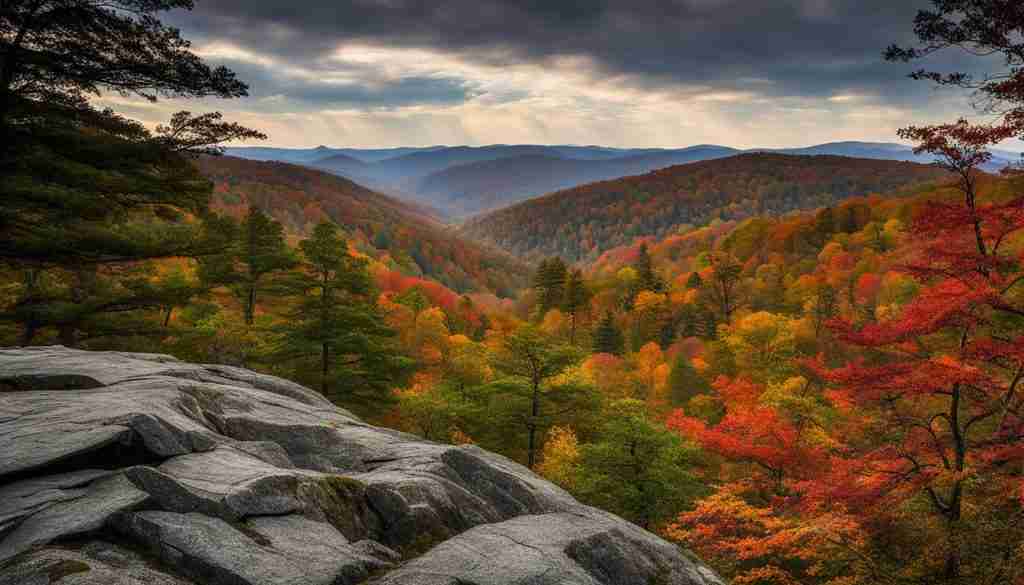
If you’re a rockhounding enthusiast looking for gemstone locations in West Virginia, you’re in luck! The state offers a variety of unique sites where you can find quartz crystals, calcite, and other minerals.
From the Monongahela National Forest to Charleston and the Alleghenies, there are plenty of rockhounding hotspots to explore.
One of the best places for rockhounding in West Virginia is the Monongahela National Forest. This expansive forest is rich in minerals and offers a wide range of collecting opportunities.
Here, you can hunt for quartz crystals, which come in various forms and colors, including clear, smoky, and amethyst. Calcite is another mineral commonly found in this area.
If you’re interested in petrified wood, head south of Charleston. This region is well-known for its petrified wood deposits, where you can find unique specimens that have turned to stone over millions of years. It’s a fascinating glimpse into West Virginia’s prehistoric past.
The southern Alleghenies are renowned for their quartz crystals. These stunning crystals can be found in various locations throughout the region, including Berry Hills Country Club, Knobly Mountain, Williamsburg, Moss Mountain, Renick, and Coopers Rock.
If you’re specifically interested in quartz crystals, exploring these areas will not disappoint.
| Gemstone Location | Main Minerals |
|---|---|
| Monongahela National Forest | Quartz crystals, calcite, and more |
| Charleston and the surrounding area | Petrified wood |
| South Alleghenies | Quartz crystals |
| Berry Hills Country Club | Quartz crystals |
| Knobly Mountain | Quartz crystals |
| Williamsburg | Quartz crystals |
| Moss Mountain | Quartz crystals |
| Renick | Quartz crystals |
| Coopers Rock | Quartz crystals |
Exploring these gemstone locations in West Virginia will not only allow you to discover unique minerals and crystals, but it will also immerse you in the natural beauty of the Appalachian region.
Remember to obtain any necessary permits and follow ethical rockhounding practices to ensure the preservation of these sites for future generations.
Geodes in West Virginia

Geodes are a rare and fascinating geological phenomenon that can be found in certain regions of West Virginia. These hollow rocks, often round in shape, contain beautiful crystals or mineral formations inside.
While geodes may not be as abundant in West Virginia as other gemstones, they can still be discovered with a bit of luck and proper knowledge of where to look.
One notable geode finding in West Virginia is the state’s largest geode, known for its impressive crystal lining. This extraordinary geode showcases the natural wonder and beauty that can be found within these geological formations.
If you’re interested in geode hunting, West Virginia offers opportunities for thrilling rockhounding adventures. Exploring the state’s diverse landscapes and rocky outcrops may unveil hidden treasures in the form of geodes.
As you embark on your geode hunting journey, keep in mind the following tips:
- Research suitable geode formation areas in West Virginia, such as regions with volcanic or sedimentary rock formations.
- Look for natural formations that are known to host geodes, such as limestone caves, volcanic ash deposits, or old mine shafts.
- Pay attention to the geological characteristics of the area, such as the presence of quartz, which often indicates the potential for geode formations.
- Utilize basic rock identification techniques to differentiate between ordinary rocks and potential geodes.
- Consider joining local rockhounding clubs or connecting with experienced rockhounding enthusiasts who can offer guidance and insights into geode hunting in West Virginia.
Uncovering a geode with its hidden crystal treasures can be a rewarding experience for any rockhounding enthusiast. So, grab your tools, explore West Virginia’s geological wonders, and embark on a geode hunting adventure to discover the natural beauty hidden within these remarkable rocks.
| Geode Hunting | West Virginia’s Largest Geode | Crystal Lining |
|---|---|---|
| Exciting rockhounding activity | Showcasing the state’s natural wonder | Containing beautiful crystals or mineral formations |
| Requires luck and knowledge | An extraordinary geode finding | An impressive display of geological beauty |
| Research suitable geode formation areas | Join local rockhounding clubs | Explore regions with volcanic or sedimentary rock formations |
| Look for natural formations | Connect with experienced enthusiasts | Utilize basic rock identification techniques |
Carnelian in West Virginia
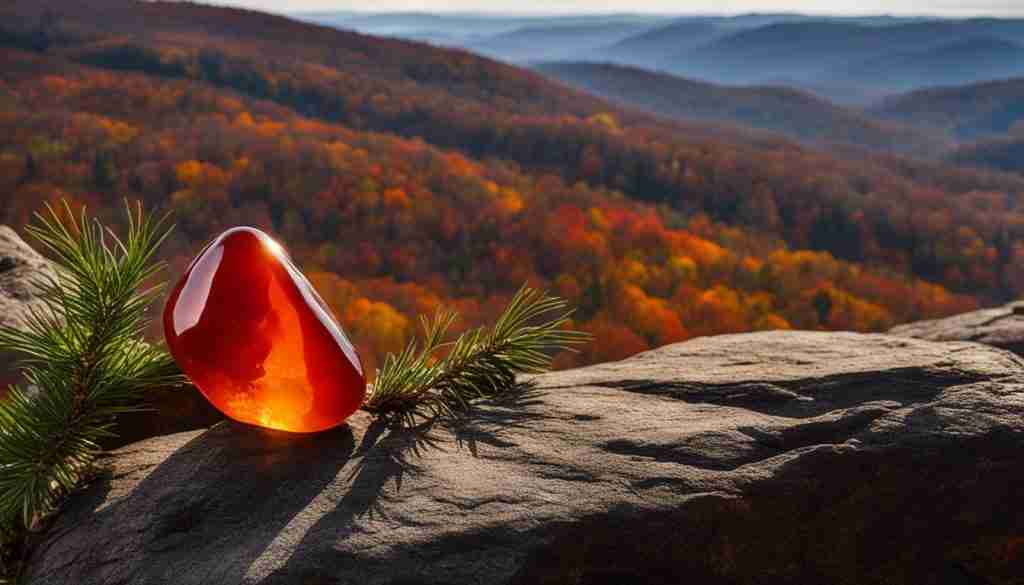
Discover the beauty of carnelian, a stunning pink variety of chalcedony, in West Virginia’s Mauch Chunk Group. Specifically located in Summers County, this region is home to exquisite specimens of carnelian, also known as pink chalcedony.
Carnelian is a silica mineral that forms from water and is highly prized for its vibrant pink color. With its translucent and captivating appearance, carnelian has been coveted by gemstone enthusiasts for centuries.
To embark on your carnelian adventure, explore the diverse geological formations of West Virginia’s Mauch Chunk Group. Summers County is your gateway to discovering beautiful carnelian specimens that showcase nature’s artistry.
Carnelian in West Virginia
| Keyword | Description |
|---|---|
| Carnelian | A pink variety of chalcedony prized for its vibrant color. |
| Pink Chalcedony | An alternative name for carnelian. |
| Mauch Chunk Group | The geological formation where carnelian can be found in West Virginia. |
| Summers County | The specific location within West Virginia where carnelian can be discovered. |
Embrace the allure of carnelian, immerse yourself in West Virginia’s natural wonders, and uncover the captivating pink chalcedony waiting to be found in the Mauch Chunk Group of Summers County.
Epidote in West Virginia
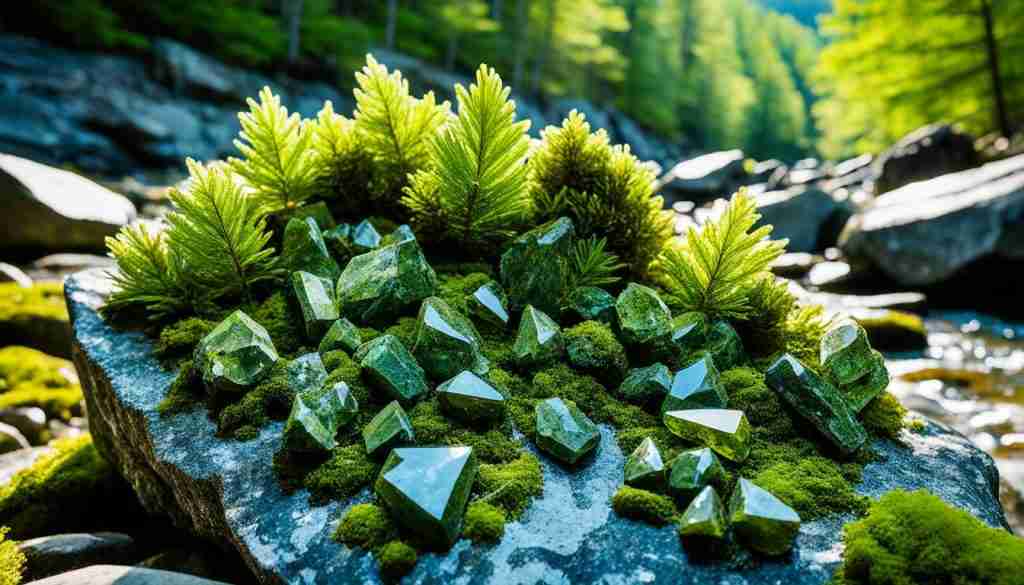
Epidote, a yellowish-green mineral, can be found in West Virginia’s Weverton Formation near Harpers Ferry in Jefferson County. This mineral is usually of metamorphic origin and occurs in veins. Collectors can search for epidote specimens in this area.
Epidote Properties
| Color | Luster | Crystal System |
|---|---|---|
| Yellowish-green | Vitreous to resinous | Monoclinic |
| Transparency | Hardness | Specific Gravity |
| Transparent to translucent | 6-7 on Mohs scale | 3.2-3.6 |
Epidote is known for its prismatic crystal structure and can exhibit a range of hues from yellowish-green to dark green. It often forms as elongated crystals or as aggregates in rock formations.
The presence of epidote in the Weverton Formation near Harpers Ferry makes this location a significant site for rockhounding enthusiasts.
Opal in West Virginia

Opal, an amorphous silica mineral, can be found in West Virginia’s Pottsville Sandstone near Coopers Rock in Monongalia County. This silica-rich gemstone is known for its stunning play of colors and unique patterns.
It often occurs as small stalactites on the underside of large sandstone overhangs, such as cliffs, creating a mesmerizing sight for rockhounding enthusiasts.
Coopers Rock, located in Monongalia County, is a popular spot for gemstone collectors searching for opal formations. This area is characterized by large cliffs and rock formations where opals can be found.
The Pottsville Sandstone, which holds significant opal deposits, has been attracting rockhounds with its fascinating geological features.
If you’re venturing into Coopers Rock to hunt for opal, be sure to explore the large cliffs and sandstone overhangs where opal stalactites are most likely to be found. Take your time to carefully examine the geological formations and keep an eye out for the vibrant colors and intriguing patterns that opal is known for.
Remember to follow all proper rockhounding regulations and obtain any necessary permits before collecting.
Quartz in West Virginia

Quartz, a hard and glassy crystalline silica mineral, can be found in West Virginia’s Oriskany Sandstone, specifically west of U.S. Route 522 near Berkeley Springs in Morgan County.
Quartz is a versatile gemstone that occurs in various colors, including white, pink, and violet. Collectors and rockhounding enthusiasts can embark on a quest to discover stunning quartz specimens in this picturesque area.
The Oriskany Sandstone provides an ideal geological setting for the formation of quartz. This sandstone formation is rich in quartz, offering ample opportunities for collectors to uncover dazzling quartz crystals.
The area around Berkeley Springs in Morgan County is known for its abundance of quartz and serves as a popular destination for rockhounding activities.
Quartz Types
- White Quartz: Clear and colorless, white quartz is a popular variety of quartz.
- Pink Quartz: With its delicate pink hues, pink quartz exhibits a soft and alluring beauty.
- Violet Quartz: Known as amethyst, violet quartz captivates with its striking purple shades.
Whether you’re drawn to the translucent purity of white quartz, the gentle charm of pink quartz, or the captivating allure of violet quartz, West Virginia’s Oriskany Sandstone will not disappoint.
Take a moment to appreciate the natural beauty of these quartz specimens and add them to your collection of breathtaking gemstones.
Diamond in West Virginia
While diamonds are not commonly found in West Virginia, there has been one recorded occurrence in Peterstown, Monroe County. In 1928, a diamond was discovered by William “Punch” Jones. However, no additional diamonds have been found in the state since then.
| Location | County | Year | Discoverer |
|---|---|---|---|
| Peterstown | Monroe | 1928 | William “Punch” Jones |
Gemstone Hunting Tips and Resources
For those interested in gemstone hunting in West Virginia, there are resources available to assist in identifying rocks and minerals. Whether you’re a beginner or an experienced collector, these tips and tools will enhance your rockhounding experience and help you discover hidden gems.
Gemstone Hunting Tips
Here are some tips to improve your gemstone hunting skills:
- Research: Before venturing out, study the geology and gemstones of West Virginia. Understanding the local formations and mineralogy will guide your search.
- Field Guide: Carry a rock identification guide specific to the region. It will help you identify different gemstones and minerals you come across.
- Equipment: Bring essential tools like a rock hammer, chisels, gloves, a magnifying glass, and a sturdy backpack for collecting specimens.
- Sample Locations: Visit well-known rockhounding sites and explore gravel bars near rivers and streams where gemstones may have washed up.
- Observe Nature: Pay attention to changes in rock formations, colors, and vegetation, as these can indicate the presence of gemstones.
- Respect Regulations: Always abide by local laws and regulations when collecting minerals. Seek permission before entering private property or protected areas.
Practical Rock Identification System
The Practical Rock Identification System is a comprehensive resource for rock identification. It consists of a book, videos, and online tools to help you accurately identify rocks and minerals you find while gemstone hunting. The system covers a wide range of gemstones and their characteristics.
Free Rock Identification and Mineral Identification Guides
In addition to the Practical Rock Identification System, there are free rock identification and mineral identification guides available online. These guides provide detailed information on various gemstones and minerals found in West Virginia, helping you make accurate identifications in the field.
Rockhounding Clubs
Joining a local rockhounding club can provide you with valuable resources and connections. These clubs often organize field trips to exclusive sites and offer educational programs and workshops.
Interacting with experienced collectors can greatly enhance your knowledge and skills in gemstone hunting.
Books for Rockhounding in West Virginia
There are several books available that focus specifically on rockhounding in West Virginia. These books provide detailed information on the best locations to find gemstones, tips for identifying unique specimens, and interesting facts about the geology and history of the region.
Some recommended books include:
| Title | Author |
|---|---|
| Rockhounding West Virginia | Eric Schutt |
| Rockhounding Pennsylvania and West Virginia | Peter Cristofono |
| Gem Trails of Pennsylvania and New Jersey | Scott Stepanski |
These books provide valuable insights into the local gemstone hunting scene and will serve as excellent companions on your rockhounding adventures.
With these gemstone hunting tips and resources at your disposal, you’re ready to embark on a thrilling rockhounding journey in West Virginia. Stay curious, explore the beautiful landscapes, and uncover the hidden treasures that await!
Conclusion
West Virginia is a true gem for rockhounding enthusiasts, offering a diverse range of geological treasures to explore. From sparkling quartz crystals to beautiful petrified wood, this region is home to a vast array of gemstones and minerals waiting to be discovered.
Whether you are an experienced rockhound or new to the hobby, West Virginia’s Appalachian landscapes provide the perfect backdrop for exciting gemstone hunts. Explore the Allegheny Mountains and other areas of the state to uncover the hidden gems that lie beneath the surface.
With its rich geological history and ample public land, West Virginia is a rockhound’s paradise. From the Monongahela National Forest to the southern Alleghenies, there are numerous locations to venture and collect gemstones.
Whether you’re searching for quartz, calcite, carnelian, or even the rare diamond, West Virginia’s natural wonders will not disappoint.
So grab your tools, put on your hiking boots, and embark on an unforgettable journey through West Virginia’s geological wonders.
Immerse yourself in the thrill of finding rare gemstones, fossils, and minerals that tell the story of this remarkable region. Rockhounding in Appalachia is an adventure you won’t want to miss!
FAQ
What gemstones can be found in West Virginia?
West Virginia is home to a range of gemstones, including quartz, calcite, petrified wood, jasper, opal, and various fossils.
Where are the best rockhounding sites in West Virginia?
Some of the best rockhounding sites in West Virginia are located in the Monongahela National Forest, south of Charleston, and in the southern Alleghenies. Other notable locations include Berry Hills Country Club, Knobly Mountain, Williamsburg, Moss Mountain, Renick, and Coopers Rock.
Are geodes found in West Virginia?
Geodes are rare in West Virginia, but they can be found with some luck and by knowing where to look. The state is home to the world’s largest geode, which has a crystal lining.
Is carnelian found in West Virginia?
Yes, carnelian, a pink variety of chalcedony, can be found in West Virginia’s Mauch Chunk Group, specifically in Summers County.
Where can epidote be found in West Virginia?
Epidote, a yellowish-green mineral, can be found in West Virginia’s Weverton Formation near Harpers Ferry in Jefferson County.
Can opal be found in West Virginia?
Yes, opal can be found in West Virginia’s Pottsville Sandstone near Coopers Rock in Monongalia County. It often occurs as small stalactites on the underside of large sandstone overhangs.
Where can quartz be found in West Virginia?
Quartz can be found in West Virginia’s Oriskany Sandstone, specifically west of U.S. Route 522 near Berkeley Springs in Morgan County.
Have diamonds been found in West Virginia?
While diamonds are not commonly found in West Virginia, there was one recorded occurrence in Peterstown, Monroe County, in 1928. No additional diamonds have been found in the state since then.
Are there resources available to help identify gemstones and minerals in West Virginia?
Yes, there are resources available, such as the Practical Rock Identification System, which includes a book, videos, and online tools. Additionally, there are free rock identification and mineral identification guides available.
Joining a local rockhounding club can provide access to off-limits locations, and there are several books available for further reading on rockhounding in West Virginia.
What can be found while gemstone hunting in West Virginia?
Gemstone hunting in West Virginia can yield a diverse range of treasures, including quartz, calcite, petrified wood, fossils, and more.
